When most people think about skin health, their minds immediately turn to wrinkles, age spots, or achieving that perfect glow for social media photos. However, your skin serves as far more than just the canvas for your appearance; it functions as your body’s largest and most essential organ, performing critical life-sustaining functions that extend well beyond aesthetics.
Keep reading to learn more about the complex role your skin plays in protecting your overall health, and how this can fundamentally change how you approach skincare and motivate you to prioritize proper dermatological care throughout your lifetime.
Why Your Skin is The Ultimate Multitasker
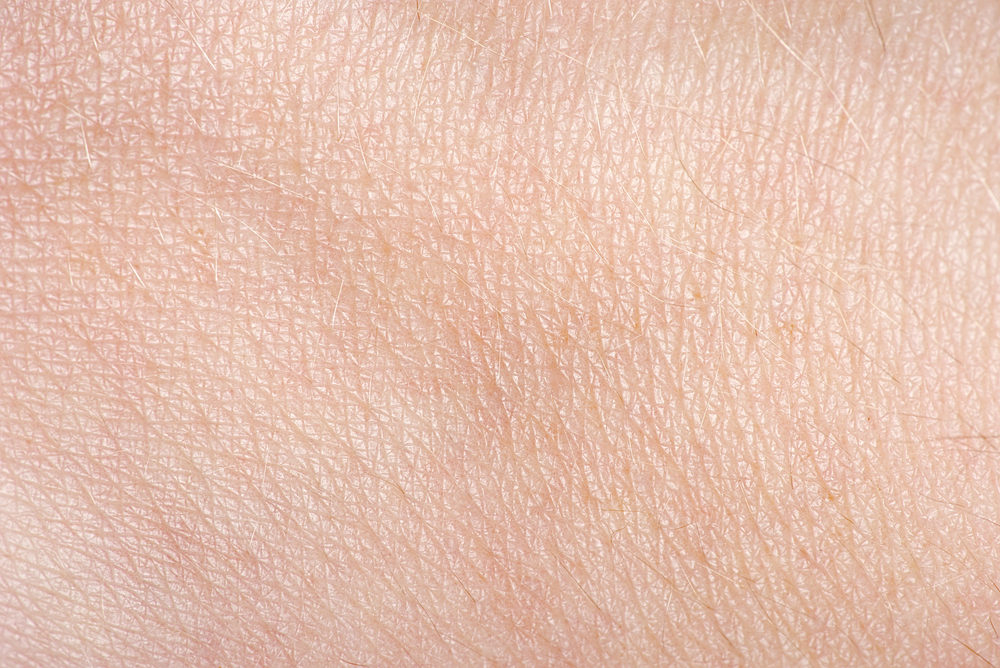
Your skin weighs approximately eight pounds and covers roughly 22 square feet of surface area, making it significantly larger than any internal organ in your body. This remarkable organ consists of three distinct layers:
- The epidermis
- The dermis
- The subcutaneous tissue
Each of these performs specialized functions that work together to maintain your health and survival. Your skin operates as a sophisticated biological system that deserves the same attention and care you would give to your heart, lungs, or brain.
Here are some of the primary ways your skin contributes to your overall body and health:
Your Body’s First Line of Defense
Perhaps the most crucial function of your skin involves creating a protective barrier between your internal organs and the potentially dangerous external environment. This barrier prevents harmful bacteria, viruses, fungi, and other pathogens from entering your body, while simultaneously preventing the loss of essential fluids and nutrients that keep your internal systems functioning properly.
The outer layer of your skin consists of dead skin cells that form a tough, waterproof barrier. This layer continuously regenerates itself, with new cells forming in the deeper layers and gradually moving upward to replace older cells that are naturally shed from the surface.
Your skin also produces antimicrobial peptides and maintains an acidic pH level that creates an inhospitable environment for many disease-causing microorganisms. When this protective barrier becomes compromised through cuts, burns, or chronic skin conditions, your risk of developing serious infections increases dramatically.
Temperature Regulation
Your skin plays a vital role in maintaining your core body temperature. Through a sophisticated network of blood vessels, sweat glands, and hair follicles, your skin can quickly adjust to help your body cope with environmental temperature changes.
When your body temperature rises above normal levels, your skin responds by dilating blood vessels near the surface, allowing excess heat to escape into the surrounding environment. Simultaneously, your sweat glands activate to produce moisture that evaporates from your skin surface, creating a cooling effect that helps lower your internal temperature. During cold conditions, your skin constricts blood vessels to reduce heat loss and may trigger shivering or goosebumps as additional warming mechanisms.
Vitamin D Production
Emily Watson, PA-C, explains the importance of balanced sun exposure for skin health:
“Many patients are surprised to learn that their skin actually produces vitamin D when exposed to ultraviolet radiation from sunlight. While we always emphasize sun protection to prevent skin cancer and premature aging, moderate sun exposure can support healthy vitamin D levels, which are essential for bone health, immune function, and overall wellness. The key is finding the right balance between protection and allowing your skin to perform this vital biological function.”
Your skin contains specialized cells that convert cholesterol into vitamin D when exposed to UVB radiation from sunlight. This process transforms your skin into a sophisticated manufacturing facility for this essential nutrient, which supports bone health, immune system function, and numerous other physiological processes throughout your body.
Immune System Support
Beyond serving as a physical barrier, your skin actively participates in your body’s immune system through specialized cells and chemical messengers that help identify and respond to potential threats. Certain cells in the epidermis help detect foreign substances and alert other parts of your immune system when potentially harmful invaders are present.
Sensory Function
Adam Ford, MD, emphasizes the importance of maintaining skin sensitivity:
“The sensory capabilities of your skin are truly remarkable, containing millions of nerve endings that provide essential information about your environment. These nerve endings can detect the gentlest touch, dangerous temperature extremes, painful stimuli, and subtle changes in pressure that help protect you from harm. When skin health declines due to diabetes, aging, or other conditions, this sensory function can become impaired, potentially leading to serious complications such as undetected injuries or burns.”
Your skin serves as your primary interface for experiencing the physical world around you, containing millions of specialized nerve endings that detect touch, pressure, temperature, vibration, and pain. This sensory information travels through your nervous system to your brain, where it is processed and interpreted to help you make decisions about your safety and comfort.
The density of sensory nerve endings varies across different areas of your body, with your fingertips, lips, and face containing the highest concentrations of touch receptors. This explains why these areas are particularly sensitive and why injuries to these regions can be especially painful or concerning.
How Can I Maintain Optimal Skin Health?

Given the numerous essential functions your skin performs, maintaining its health becomes a critical component of your overall wellness strategy. Proper skincare involves much more than applying moisturizer or anti-aging products. It requires a comprehensive approach that supports your skin’s ability to perform its vital biological functions effectively.
Regular professional skin examinations allow dermatologists to identify potential problems before they develop into serious health concerns and provide personalized recommendations for maintaining optimal skin function throughout your lifetime. These evaluations can detect early signs of skin cancer, identify chronic conditions that may compromise your skin barrier, and ensure that your skin continues to protect and support your overall health as you age.
If you have questions about your skin, schedule an appointment at The Menkes Clinic today!