Many people, especially those in their 60s, 70s, and 80s, brush off leg symptoms as just another part of getting older. This assumption keeps countless patients from seeking care that could dramatically improve how they feel, how they move, and how they live their daily lives.
Vein problems are highly treatable at any age, and recognizing the signs early can prevent more serious complications down the road.
Keep reading to learn the key signs that it may be time to see a vein specialist this year.
Why Vein Health Matters at Every Age
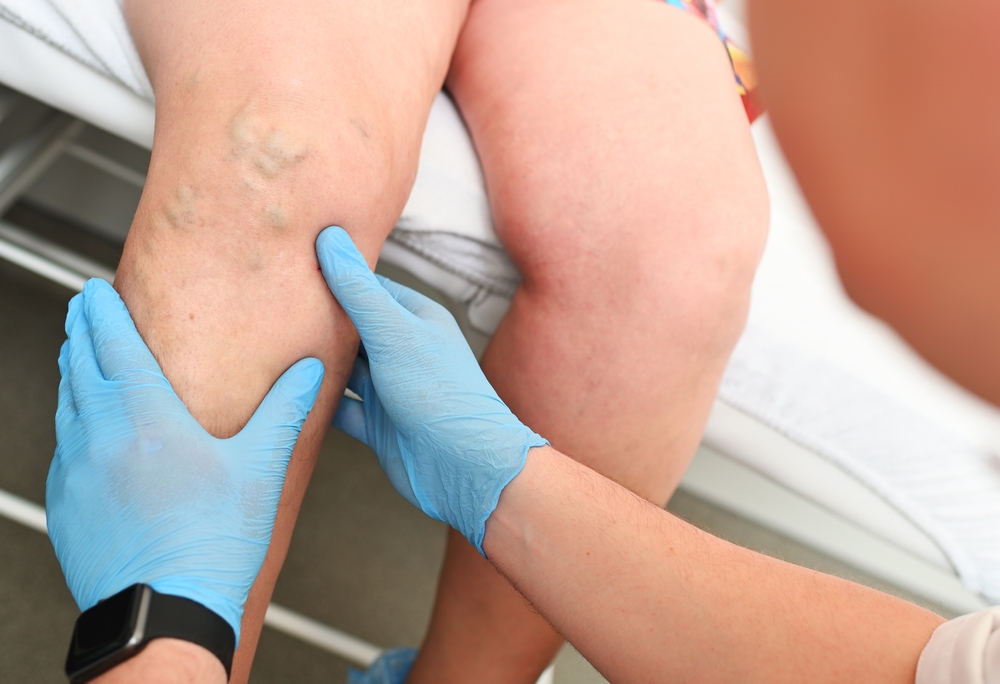
Venous disease is progressive, meaning it tends to get worse over time if left untreated. What may start as occasional achy legs can eventually lead to chronic swelling, skin changes, and even open wounds that struggle to heal.
Because the underlying cause – nonfunctioning blood vessels in the legs – only continues untreated, vein problems never stay the same and they never get better. They only get worse over time.
One of the biggest misconceptions among older patients is that nothing can be done about their leg problems simply because of their age. The reality is that age alone is never a disqualifier for vein treatment, and many of the most rewarding cases involve patients who had been told for years to “just live with it.”
Signs It’s Time to See a Vein Specialist
Vein disease doesn’t always announce itself with one dramatic symptom. More often, it shows up as a collection of small clues that worsen gradually over months or years, making it easy to dismiss each individual change as something minor.
The signs below are some of the most common indicators that the veins in your legs aren’t working as well as they should. If any of them sound familiar, it’s worth scheduling an evaluation rather than waiting for things to progress further.
1. You Have Aching, Heavy, or Tired Legs at the End of the Day
One of the most common early signs of venous insufficiency is a feeling of heaviness, aching, or fatigue in the legs that gets worse as the day goes on. Many people describe feeling like they’re “dragging” their legs by evening, even on days they haven’t been particularly active.
This happens because the valves inside your veins aren’t working properly, so blood pools in the lower legs instead of returning efficiently to the heart. The longer you stand or sit, the more pressure builds up, and the more uncomfortable your legs feel.
If you find yourself counting down the minutes until you can sit down and put your feet up, that’s a sign worth taking seriously.
2. You See Bulging, Twisted Varicose Veins
Varicose veins are the rope-like, bluish-purple veins that bulge out from the surface of the skin, most often on the calves and thighs. While many people think of them as a cosmetic issue, they are actually a visible sign that the underlying veins aren’t functioning the way they should.
Varicose veins develop when faulty valves allow blood to flow backward and pool, stretching the vein walls over time. Without treatment, they often grow larger and more uncomfortable, and can contribute to more serious symptoms like swelling and skin changes.
Albert Malvehy, MD, RVT, dABVLM, the top-rated vein doctor in California at NorCal Vein, a GSD affiliate, addresses one of the most common misconceptions about vein treatment in older adults:
“I hear it all the time. Patients in their 70s and 80s tell me they’ve been told they’re ‘too old’ for anything to be done about their veins. That simply isn’t true. Age is not a barrier to effective vein treatment, and in fact, many of our most grateful patients are the ones who finally get relief after decades of being dismissed. The treatments we use today are minimally invasive and remarkably well-tolerated, even in patients with other health conditions.”
3. Your Ankles or Lower Legs Are Swelling
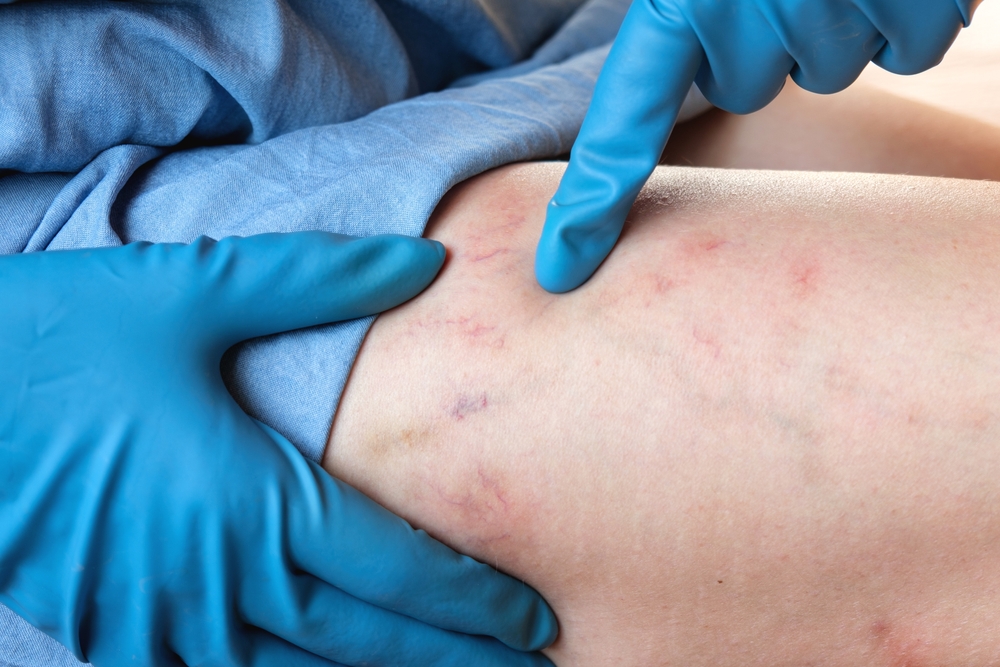
Persistent swelling in the ankles or lower legs, especially swelling that worsens throughout the day and improves with elevation, is a classic sign of venous insufficiency. You may notice that your socks leave deep indentations or that your shoes feel tighter by evening. This swelling, called edema, occurs because fluid is leaking out of overloaded veins and into the surrounding tissue. Left untreated, chronic swelling can progress to more serious problems, including skin changes and wounds that signal advanced venous disease.
4. You Have Skin Changes Around Your Ankles
The skin around your ankles can tell you a lot about what’s happening beneath the surface. Brownish or reddish discoloration, thickening, hardening, dryness, or persistent itching in this area are all warning signs that vein disease is progressing.
These changes happen because the increased pressure inside damaged veins causes inflammation and tissue damage over time. Many patients dismiss the discoloration as age spots or attribute the itching to dry skin, but these are often signals that a wound may be developing if action isn’t taken.
Dr. Malvehy explains why catching these skin changes early matters so much for older patients:
“The skin changes we see around the ankles are often the last warning sign before a wound develops, and that’s a window we don’t want to miss. So many of my patients have been told that their non-healing wounds are simply a consequence of aging and that they should expect to be bed-bound or wheelchair-bound. The truth is that once we treat the underlying vein disease, those wounds can finally heal, and patients get to return to the lives they thought were over.”
If you notice your ankle skin becoming shiny, leathery, or developing a darker tone that doesn’t fade, schedule an evaluation soon. Treating vein disease at this stage can often prevent the next, more serious step, which is a venous ulcer.
5. You Have a Personal or Family History of Vein Disease
Vein disease runs in families, and a personal history of blood clots, pregnancy-related vein changes, or a job that involves long hours of standing all increase your risk. If you have these risk factors plus any symptoms, an evaluation is especially important. Knowing your risk allows your provider to recommend preventive steps and catch problems before they progress.
Your Legs Don’t Have to Define Your Year
If any of these signs sound familiar, don’t let another year go by assuming there’s nothing that can be done. Vein disease is treatable, your legs can feel better, wounds can heal, and a more active life is genuinely within reach, regardless of your age.
The team at The Menkes Clinic has helped countless patients get back to walking, working, and doing the things they love after being told for years that they just had to live with their leg problems. You deserve the same chance to feel better and move more freely.
If you have questions about your skin, schedule an appointment at The Menkes Clinic today.