If you’ve been experiencing hair loss, it might be time to explore treatment options that can help restore your confidence and natural appearance. Platelet-rich plasma (PRP) hair restoration has emerged as a popular non-surgical option that uses your body’s own healing mechanisms to promote hair growth.
Keep reading to learn about the PRP process, from your initial treatment session through recovery and results.
What Is PRP Hair Restoration?
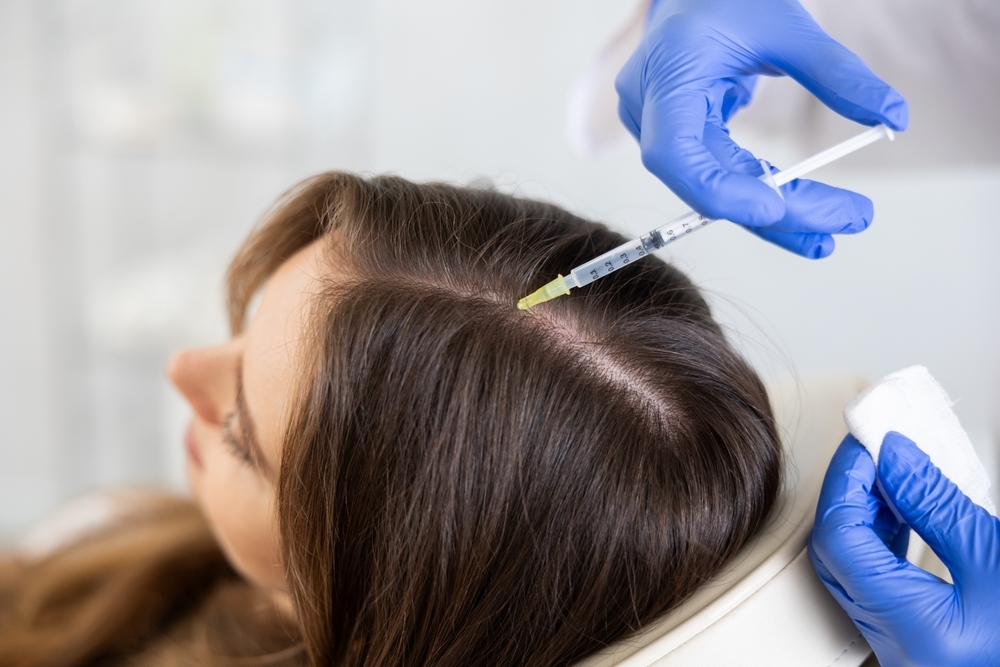
PRP hair restoration is a medical treatment that uses concentrated platelets from your own blood to stimulate hair growth in thinning areas.
The procedure involves drawing a small amount of blood, processing it to concentrate the platelets, and then injecting this platelet-rich plasma directly into the scalp.
Platelets contain growth factors and proteins that naturally promote healing and tissue regeneration throughout your body. When concentrated and applied to hair follicles, these same growth factors can help revitalize dormant follicles and encourage new hair growth.
This treatment is considered a natural approach to hair restoration because it relies entirely on substances already present in your body. There are no synthetic chemicals or foreign materials involved, which makes PRP an appealing option for patients seeking a more holistic approach to addressing hair loss.
The popularity of PRP has grown significantly as more patients discover its potential benefits for both men and women experiencing various types of hair thinning. Your dermatologist at The Menkes Clinic can help determine whether PRP is appropriate for your specific type of hair loss.
How Does PRP Work for Hair Loss?
PRP works by delivering concentrated growth factors directly to hair follicles that have become weakened or dormant. The platelets are injected into the vascular layer of your scalp, which prompts underproducing or dormant hair follicles to begin producing thick hair once again.
The treatment targets the underlying factors that contribute to hair thinning, particularly in cases of androgenetic alopecia (pattern hair loss). By improving the cellular environment around hair follicles, PRP may help create conditions more conducive to healthy hair growth.
Dr. Paul Rose, a board-certified dermatologist and hair restoration expert at Golden State Dermatology, explains how PRP addresses hair loss at the cellular level:
“The growth factors in platelet-rich plasma work to rejuvenate the scalp environment by improving blood flow and delivering nutrients directly to hair follicles. This process can help strengthen existing hair and potentially stimulate dormant follicles to begin producing hair again. While results vary among patients, many people see improvements in hair density and thickness over time. The key is understanding that PRP works best as part of a comprehensive approach to hair health, often combined with other treatments for optimal results.”
Research suggests that PRP may be most effective for patients in the early to moderate stages of hair loss, where follicles are still present but producing thinner, weaker hair. The treatment may also help slow the progression of hair loss in addition to promoting new growth.
Different patients may respond differently to PRP based on factors like age, overall health, and the underlying cause of their hair loss. Your provider can discuss realistic expectations based on your individual situation during your consultation.
What Happens During a PRP Treatment Session?
Your PRP treatment begins with a simple blood draw, similar to what you might experience during routine lab work. Typically, about 30-60 milliliters of blood is collected, depending on the treatment area and your provider’s protocol.
The blood is then placed in a specialized centrifuge that separates the platelets from other blood components. This process takes approximately 10 minutes and results in a concentrated platelet solution that contains significantly higher levels of growth factors than normal blood.
While your blood is being processed, your provider will prepare your scalp for treatment. This may include cleaning the treatment area and applying a topical numbing agent to minimize discomfort during the injections.
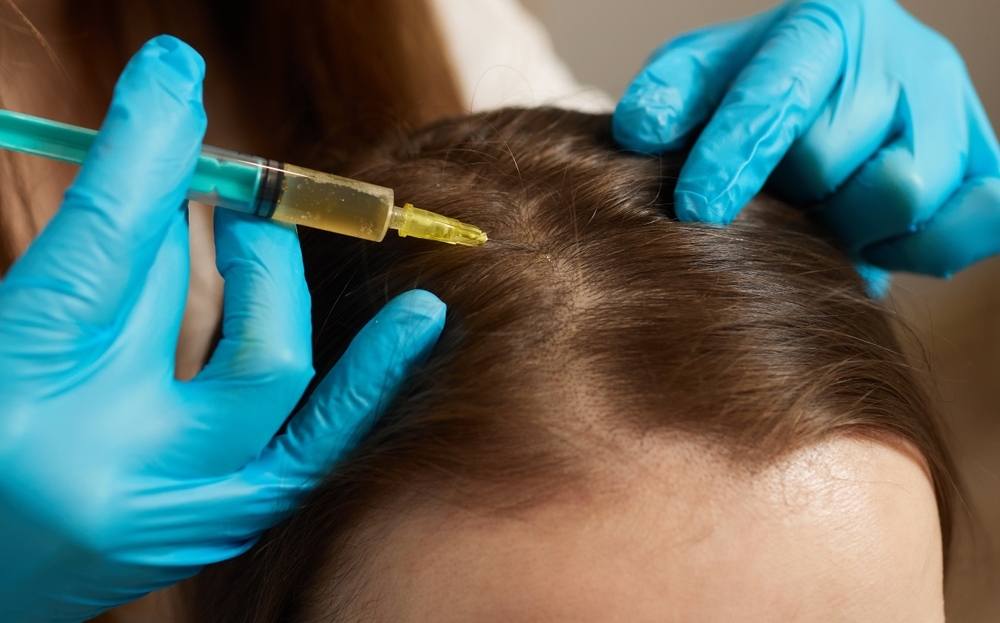
Once the PRP is ready, your dermatologist will use fine needles to inject the concentrated platelets into specific areas of your scalp. The injection pattern is typically designed to target areas where hair thinning is most noticeable or where you want to prevent further hair loss.
The entire appointment usually takes between 45 minutes to one hour from start to finish. Most patients find the process straightforward and are surprised by how quickly it goes.
You can typically resume normal activities immediately after your treatment, though your provider may give you specific aftercare instructions to follow for the best results.
What Does PRP Hair Restoration Feel Like?
Most patients describe the blood draw portion of PRP treatment as similar to any routine blood test. The discomfort is minimal and brief, lasting only a few seconds while the needle is inserted.
The scalp injections may cause more noticeable sensations, though most patients find them tolerable. Many providers offer topical numbing agents to minimize discomfort during the injection process.
Jordan Jepson, PA-C, a board-certified physician assistant at Golden State Dermatology in Turlock, shares insights about patient comfort during PRP treatments:
“Patient comfort is always a priority during PRP sessions, and we take several steps to ensure the experience is as pleasant as possible. Most patients report that the scalp injections feel like small pinches or brief stinging sensations that subside quickly. We often use topical anesthetics or offer nitrous oxide to minimize discomfort, and the fine needles we use are designed specifically for scalp treatments. Many patients are pleasantly surprised by how manageable the treatment feels. Some even describe feeling a slight warming sensation as the PRP is injected, which is completely normal and indicates that the growth factors are being delivered to the targeted areas.”
Some patients experience mild tenderness or sensitivity in the treated areas for a few hours after the procedure. This is normal and typically resolves on its own without any intervention.
The scalp may appear slightly red or feel tender immediately following treatment, similar to how your skin might feel after a vigorous massage. These effects are temporary and usually subside within a day or two.
If you have concerns about pain or discomfort, discuss these with your provider during your consultation. They can explain pain management options and help set realistic expectations for your comfort level during treatment.
When Will You See Results from PRP?
PRP hair restoration results develop gradually, as the treatment works by stimulating natural hair growth cycles rather than providing instant changes. Many providers recommend several treatments spaced one month apart, with maintenance treatments 2-4 times per year for optimal results.
Some patients see noticeable results after only 3 treatments, though most begin to notice initial improvements in hair texture and thickness around 6-8 weeks after their first treatment. Significant changes in hair density and coverage typically become apparent after 3-4 months of consistent treatment. The hair growth process takes time because new hair must grow through multiple phases, from initial sprouting to reaching visible length.
Many patients report that their existing hair feels stronger and appears shinier before they notice new growth. This improvement in hair quality is often one of the first signs that the treatment is working effectively.
Peak results from PRP therapy are usually seen around 6-9 months after beginning treatment, though individual timelines can vary. Some patients may continue to see gradual improvements for up to a year following their treatment series.
If you have questions about your skin, schedule an appointment at The Menkes Clinic today!