Seborrheic dermatitis shows up uninvited and often overstays its welcome, but it follows a fairly predictable pattern. This inflammatory skin condition gravitates toward your body’s oiliest zones, creating flaky, red patches that range from mildly annoying to genuinely uncomfortable.
The condition has distinct locations where it prefers to appear, and these areas share common characteristics related to oil gland activity.
Keep reading to learn where seborrheic dermatitis most commonly develops and what makes these zones particularly vulnerable.
What Is Seborrheic Dermatitis?
Seborrheic dermatitis is an inflammatory skin condition that targets areas with the highest concentration of oil-producing glands. The condition tends to be chronic, meaning it comes and goes throughout your life rather than resolving permanently. Flare-ups can range from mild dandruff to extensive, uncomfortable rashes that affect multiple body areas.
While anyone can develop seborrheic dermatitis, it’s most common in adults between 30 and 60 years old. Certain factors increase your risk, including stress, cold and dry weather, weakened immune systems, and neurological conditions like Parkinson’s disease.
Where Does Seborrheic Dermatitis Commonly Appear?
Seborrheic dermatitis has a distinctive pattern, appearing primarily where sebaceous (oil) glands are most active.
The hallmark of seborrheic dermatitis is its preference for oily zones, though the severity and exact presentation can vary significantly from person to person. Some experience symptoms in just one area, while others deal with multiple affected sites simultaneously.
1. Scalp
The scalp is by far the most frequent location for seborrheic dermatitis, affecting the majority of people with this condition.
You might notice anything from light flaking that resembles simple dandruff to thick, crusty scales accompanied by redness and itching.
The oil glands on your scalp work overtime compared to many other body areas, creating an ideal environment for the yeast associated with seborrheic dermatitis to thrive. This explains why shampooing frequency and product choice can significantly impact symptom severity.
When seborrheic dermatitis affects the scalp, symptoms often worsen in winter months when indoor heating dries out the skin. The flakes may appear white or yellowish and can be embarrassing when they fall onto your shoulders and clothing.
2. Face
Facial seborrheic dermatitis typically clusters around the nose, eyebrows, and the area between your brows. These zones contain numerous oil glands, making them prime real estate for this condition to develop.
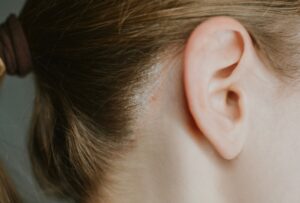
You might also notice symptoms behind your ears and along the hairline. The skin in these areas often appears red with greasy-looking, yellowish scales that can be mistaken for dry skin or other conditions like psoriasis.
Robert G. Greenberg, MD, a board-certified dermatologist at Golden State Dermatology in Livermore and San Ramon, explains the unique challenges of facial seborrheic dermatitis:
“Many patients initially try to scrub away the flakes on their face, thinking it’s just dry skin or poor hygiene, but this approach usually makes the inflammation worse. The facial skin is delicate, and seborrheic dermatitis requires gentle, targeted treatment rather than aggressive exfoliation. We often see patients who have unknowingly irritated their skin further by using harsh products, when what they really needed was a proper diagnosis and appropriate medicated treatments that address the underlying yeast overgrowth and inflammation.”
Treating facial areas requires extra care since the skin is thinner and more visible. Products that work well on the scalp may be too harsh for facial use, so your dermatologist can recommend formulations specifically designed for these sensitive zones.
3. Chest and Back
The upper chest and the area between your shoulder blades are common sites for seborrheic dermatitis to develop. These regions contain plenty of oil glands and can trap sweat and moisture, especially under clothing.
Symptoms in these areas might look slightly different from those on your face or scalp. You’ll typically see patches of pink or red skin with white or yellowish scales that can sometimes feel slightly greasy to the touch.
The chest and back presentation often bothers people less than facial or scalp symptoms simply because clothing conceals these areas. However, the itching and discomfort can be just as intense and warrant proper treatment regardless of visibility.
4. Body Folds and Creases
Seborrheic dermatitis frequently appears in body folds where skin touches skin, including the armpits, groin, and under the breasts. The combination of moisture, warmth, friction, and oil gland activity in these areas creates perfect conditions for flare-ups.
The constant rubbing and moisture can make the skin more prone to irritation and secondary infections if left untreated. Proper treatment combined with keeping these areas clean and dry becomes essential for managing symptoms effectively.
Jessica Kramer, PA-C, a certified physician assistant at Dermatology & Laser Centre, a Golden State Dermatology affiliate in Studio City, notes the importance of understanding your personal triggers:
“Every patient has a unique set of factors that seem to worsen their seborrheic dermatitis, which is why I always recommend keeping a symptom diary when you first notice a pattern. One person might flare with certain hair products, while another reacts to stress or seasonal changes. Identifying your specific triggers allows us to create a more personalized management strategy that goes beyond just treating active symptoms. Sometimes simple lifestyle adjustments, combined with appropriate medical treatments, can dramatically reduce how often and how severely flare-ups occur.”
How Is Seborrheic Dermatitis Treated?
Treatment approaches vary depending on which body areas are affected and how severe your symptoms are.

Medicated shampoos containing ingredients like ketoconazole, selenium sulfide, or zinc pyrithione work well for scalp involvement and can often be used on other areas too.
Topical antifungal creams or lotions target the yeast that contributes to inflammation. These medications are particularly useful for facial, chest, and body fold areas where medicated shampoos might be impractical or too drying.
Mild topical corticosteroids can reduce inflammation and itching during flare-ups, though your dermatologist will typically recommend using these for short periods to avoid side effects.
For stubborn cases, prescription-strength treatments or combination therapies may be necessary to gain control.
Lifestyle modifications tailored to affected areas can support medical treatments significantly. This might include adjusting how often you wash your hair, switching to fragrance-free products, managing stress through exercise or meditation, or wearing breathable fabrics that reduce moisture buildup in body folds.
When to See a Dermatologist
You should schedule an appointment if you notice persistent flaking, redness, or itching that doesn’t improve with over-the-counter dandruff shampoos after a few weeks. Early evaluation helps prevent symptoms from becoming more severe and spreading to additional areas.
If you’ve tried multiple over-the-counter products without success, a dermatologist can prescribe stronger medications and develop a comprehensive treatment plan. What works for one person might not work for another, so professional guidance ensures you’re using the most effective approach for your specific situation.
If you have questions about your skin, schedule an appointment at Menkes Clinic today!