Chemical peels have emerged as one of the most effective treatments for addressing various types of hyperpigmentation, offering a scientifically backed approach to achieving clearer, more even-toned skin.
How many chemical peels each person needs depends on several factors, including the type and severity of your hyperpigmentation, your skin type, and the specific peel protocol recommended by your dermatologist. Keep reading to learn about the treatment process and what you can realistically expect from chemical peel therapy for hyperpigmentation.
What Causes Hyperpigmentation?
While there are several different types of hyperpigmentation, each with its own underlying mechanisms, most cases fall into three main categories that respond well to chemical peel treatments.
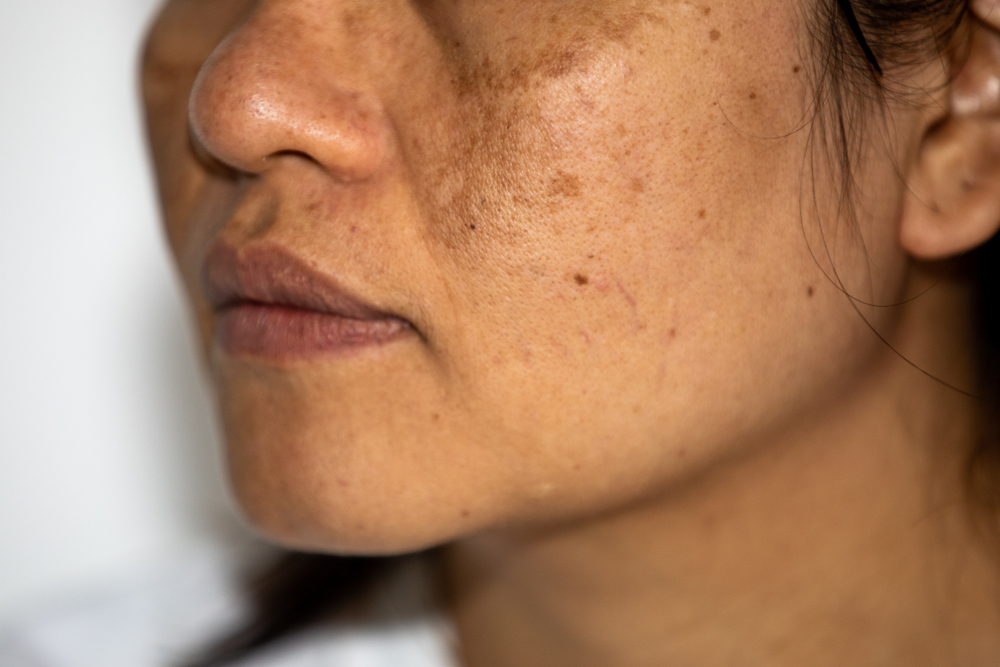
- Sun Damage and Age Spots: Prolonged sun exposure triggers excess melanin production, leading to age spots and darkening on sun-exposed areas like the face, hands, and chest
- Melasma and Hormonal Changes: Symmetrical brown patches typically on the face, triggered by hormonal fluctuations and affecting deeper skin layers
- Post-Inflammatory Hyperpigmentation: Dark areas that develop following skin trauma, acne, or inflammatory conditions and can persist for months or years
How Do Chemical Peels Work for Hyperpigmentation?
Chemical peels use controlled acids to remove damaged skin layers and stimulate cellular turnover, effectively lifting away pigmented cells and encouraging the formation of new, more evenly pigmented skin.
The process works by breaking down the bonds between dead skin cells and accelerating the natural exfoliation process that can take weeks or months to occur naturally. Different types of acids target various depths of the skin, allowing dermatologists to customize treatments based on the location and severity of hyperpigmentation. The controlled injury created by the peel also stimulates collagen production and improves overall skin texture and tone.
As the treated skin heals, new cells replace the pigmented ones, gradually revealing clearer, more uniform skin tone. The process also helps normalize melanin production in the treated areas, reducing the likelihood of future hyperpigmentation in those spots.
Types of Chemical Peels for Hyperpigmentation
Not all chemical peels are created equal when it comes to treating hyperpigmentation, and choosing the right type depends on the severity of your condition, skin type, and desired results.
Light Chemical Peels: Light peels, including glycolic acid peels, work on the superficial layers of the skin and require minimal downtime. These peels are ideal for mild hyperpigmentation, superficial sun damage, and patients with sensitive skin who cannot tolerate deeper procedures. Light peels are typically performed in series, with treatments spaced 2-4 weeks apart to achieve optimal results.
Medium Chemical Peels: Medium-depth peels, such as mild TCA (trichloroacetic acid) peels, penetrate deeper into the skin to address more significant pigmentation issues and provide more dramatic results. These treatments can effectively treat moderate hyperpigmentation, including some types of melasma and stubborn sun damage.
VI Peels for Hyperpigmentation: The Menkes Clinic offers VI Peel options specifically designed for hyperpigmentation that are safe for all skin types. The VI Precision Plus effectively treats hyperpigmentation, sun damage, and melasma by suppressing melanin production.
VI Peels also contain Phenol, which numbs the skin to ensure the treatment process remains comfortable and virtually painless. Results are typically visible within seven days, with patients achieving a smoother, brighter complexion through this advanced peel technology.
How Many Peels Will You Need?
The number of chemical peels required to effectively treat hyperpigmentation varies significantly based on individual factors and the specific characteristics of your pigmentation concerns. Your dermatologist at The Menkes Clinic will assess your unique situation during consultation to develop a customized treatment plan that balances effectiveness with safety and your lifestyle preferences.
Mild Hyperpigmentation
Patients with mild sun damage or light post-inflammatory hyperpigmentation typically see significant improvement after 3-6 light chemical peels spaced 2-4 weeks apart. The exact number depends on skin sensitivity, the specific acids used, and individual healing responses.
Many patients notice improvements after just one treatment, with progressive enhancement becoming evident over the full treatment series. Maintenance peels every 3-6 months can help sustain results and prevent new pigmentation from forming.
According to Dr. Emily McKenzie, a board-certified dermatologist at Golden State Dermatology in Alamo:
“For patients with mild hyperpigmentation, we typically recommend starting with a series of light peels to assess skin response and gradually build up intensity if needed. I’ve seen excellent results with glycolic acid peels performed every 3-4 weeks, with most patients achieving their desired outcome within 4-6 treatments. The key is patience and consistency, as the gradual approach often produces the most natural-looking and long-lasting results while minimizing the risk of irritation or post-inflammatory hyperpigmentation.”
Moderate to Severe Hyperpigmentation
More significant pigmentation issues, including established melasma or extensive sun damage, typically require 4-8 treatments using medium-depth peels or a combination of light and medium peels. The treatment schedule may be spaced further apart to allow for proper healing between sessions.
These cases often benefit from a customized approach that combines different peel types and may include additional treatments like topical prescription medications. Results become evident more gradually, with the most dramatic improvements often appearing several months into the treatment protocol.
Maintenance and Long-term Care
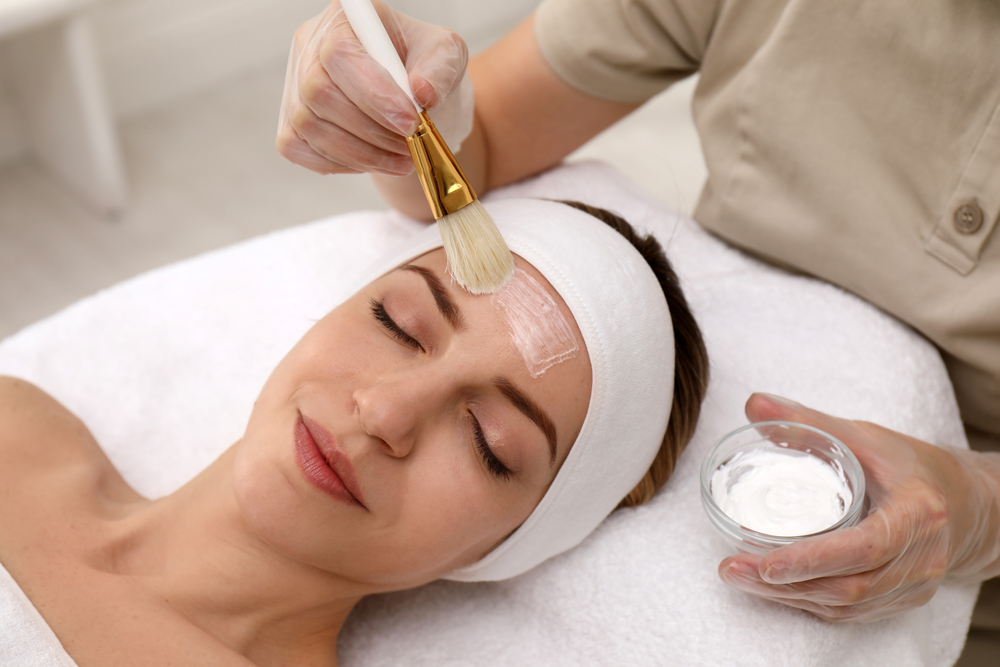
Once desired results are achieved, most patients benefit from maintenance peels every 3-6 months to preserve improvements and prevent new pigmentation from developing. For preventative treatment, The Menkes Clinic recommends VI Peels four times per year to maintain optimal skin health and appearance.
For corrective treatments, a series of two to four treatments or more may be needed for patients requiring dermal remodeling, with treatments spaced around four to six weeks apart. Long-term success also requires consistent use of broad-spectrum sunscreen and appropriate skincare products that support skin health and prevent new pigmentation formation.
Factors That Affect Treatment Timeline
Several key factors influence how many chemical peels you’ll need and how quickly you’ll see results from your hyperpigmentation treatment. Understanding these variables helps set realistic expectations and allows your dermatologist to create the most effective treatment plan for your specific situation.
Skin Type and Sensitivity
Individuals with darker skin types or sensitive skin may require more conservative treatment approaches with longer intervals between sessions. Your dermatologist will assess your skin’s response and adjust the protocol accordingly to optimize safety and effectiveness.
Type and Depth of Hyperpigmentation
Superficial pigmentation responds more quickly than deep, established pigmentation that has been present for years. Melasma can be particularly stubborn and may require ongoing management rather than complete elimination.
Compliance with Aftercare
Proper post-peel care significantly impacts treatment effectiveness, including following sun protection guidelines and using recommended skincare products. Patients who strictly adhere to aftercare instructions typically achieve better outcomes and may require fewer total treatments.
Saskia Akey, a licensed aesthetician at SkinLab Napa Valley, part of the Golden State Dermatology Network, shares her insights on the treatment process:
“The success of chemical peel treatment for hyperpigmentation really depends on setting realistic expectations and following through with the complete treatment plan. I always tell my patients that consistency is key – skipping treatments or not following proper aftercare can significantly impact results. We often see the best outcomes when patients understand that treating hyperpigmentation is a process, not a single event, and they’re committed to both the treatment series and ongoing maintenance. The patients who are most satisfied are those who view their peel treatments as part of a comprehensive skincare routine rather than a quick fix.”
The journey to clearer, more even-toned skin through chemical peels requires patience, consistency, and professional guidance to achieve the best possible results safely and effectively.
If you have questions about your skin, schedule an appointment at The Menkes Clinic today!